Architects and contractors often face a practical question when selecting architectural metal surfaces: should the project use conventional stainless steel cladding or PVD-coated stainless steel? There is no universal answer. The right choice depends on the required appearance, location, exposure, budget, fabrication, and design intent.
Understanding the difference between Stainless Steel Sheets for Cladding and coloured PVD sheets can make specification decisions easier.
Conventional Stainless Steel Cladding
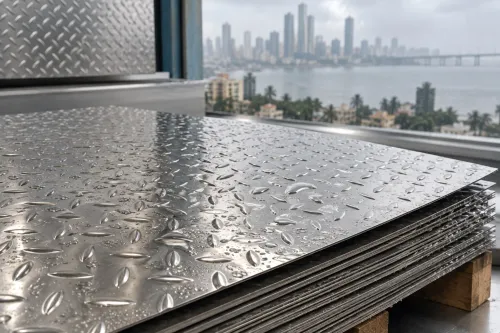
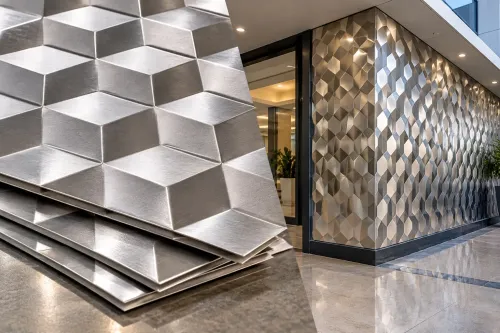
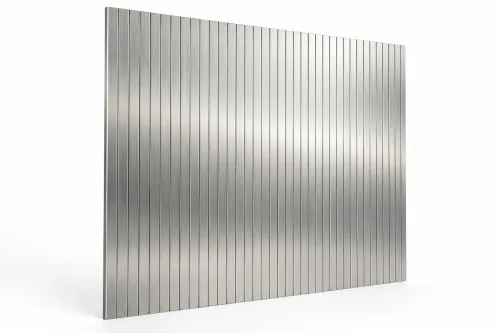
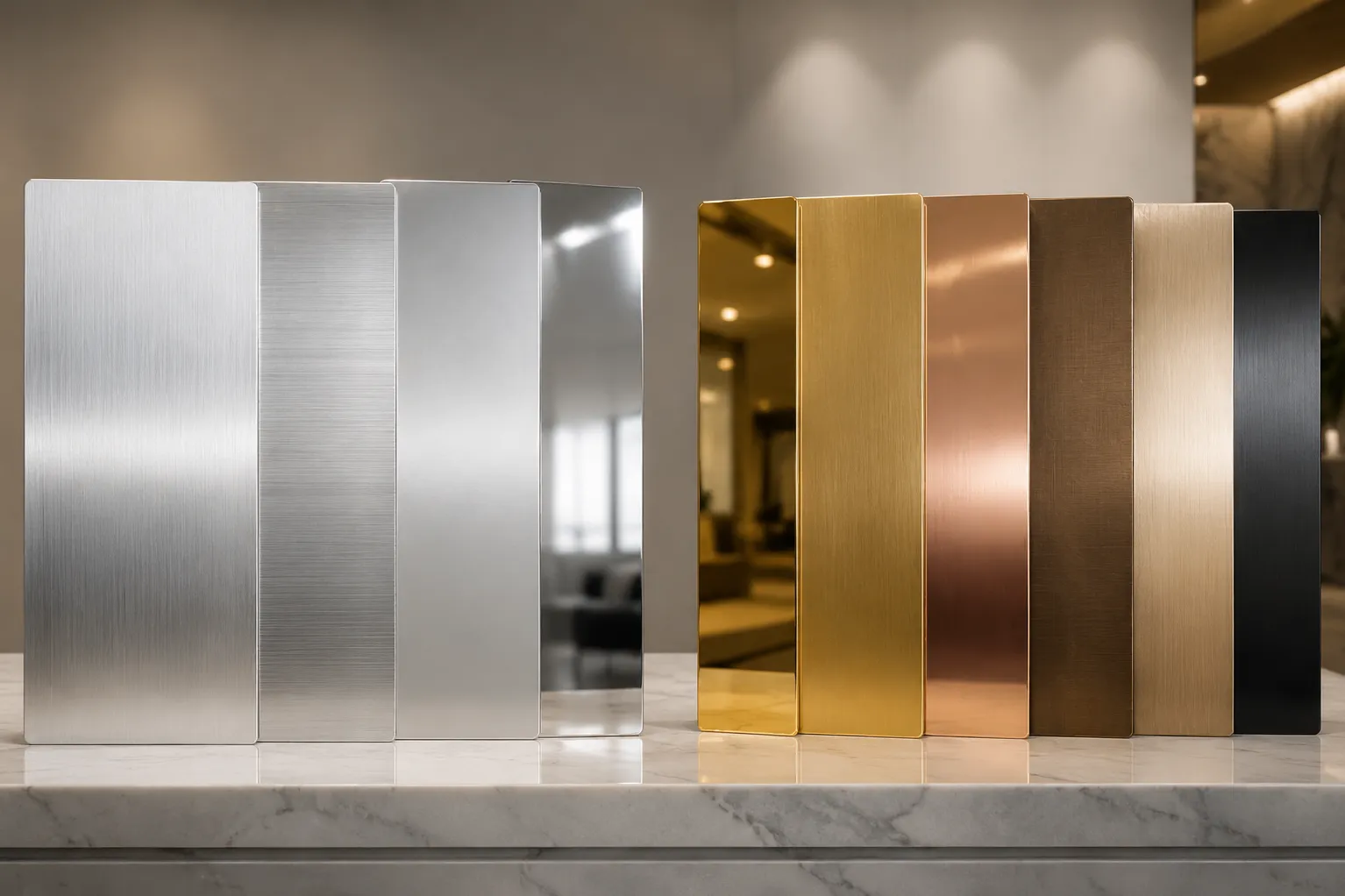
Standard stainless steel cladding provides a clean metallic appearance. Depending on the finish, it can look subtle or highly reflective.
Common surface choices include brushed, satin, hairline, and mirror finishes.
It can be suitable when the building design calls for:
- Neutral metallic tones
- Contemporary façades
- Minimalist interiors
- Durable-looking architectural surfaces
- Easy coordination with glass and stone
PVD-Coated Stainless Steel
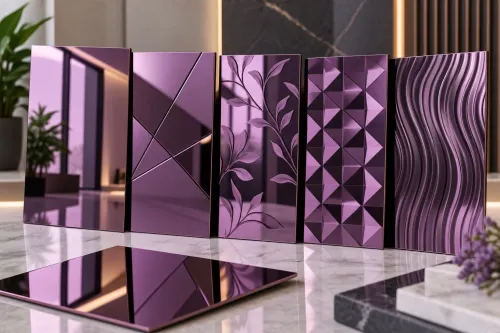
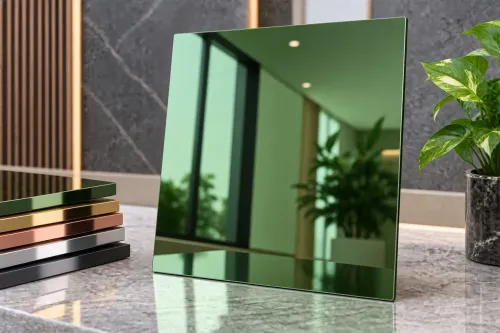
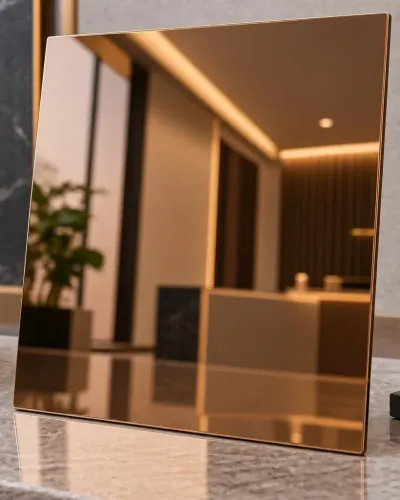
PVD-coated stainless steel adds colour to the stainless steel surface.
This can create architectural finishes such as gold, bronze, champagne, black, and other decorative shades.
PVD is often considered when standard silver stainless steel does not provide enough visual differentiation.
Consider the Location
Indoor and outdoor applications have different requirements.
An interior wall may provide a controlled environment, while an exterior cladding element is exposed to weather and pollutants.
Mumbai's climate makes environmental exposure an important consideration for exterior architectural materials. Coastal and high-humidity conditions should be considered during material selection.
Think About Maintenance
Maintenance expectations also influence the choice.
Mirror finishes can show fingerprints and marks more readily. Brushed and textured finishes can create a different visual maintenance profile.
The question is not which material never needs maintenance. Instead, consider which surface remains practical for the actual building environment.
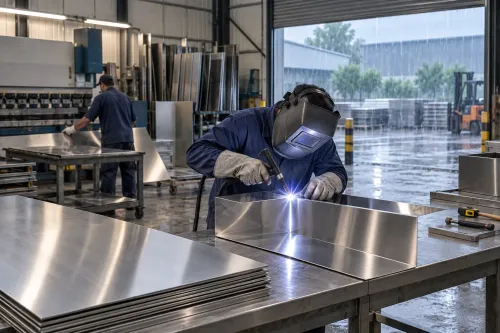
Fabrication Is Equally Important
The best-looking sheet can still produce a poor result if the fabrication process is not properly planned.
Before selection, confirm:
- Panel dimensions
- Bending requirements
- Cutting method
- Joint design
- Edge finishing
- Installation system
- Surface protection
For complex cladding, early coordination between the architect, façade contractor, fabricator, and supplier is especially valuable.
Making the Final Choice
Choose conventional stainless steel when the design calls for a refined neutral metallic surface and the standard finish already meets the aesthetic requirements.
Consider PVD when colour is an important part of the design language or when a distinctive premium metallic effect is required.
NIXON STEELIUM LLP provides stainless steel sheet and PVD coating solutions for architectural and B2B applications.
The better material is ultimately the one that satisfies the project's complete requirements. Appearance, environmental conditions, fabrication, maintenance, and budget should all be evaluated before the specification is finalised.
Keywords