Architectural materials increasingly need to deliver more than basic functionality. Designers want surfaces that contribute to identity, visual quality, and spatial experience while remaining practical to fabricate and maintain. PVD Sheets for Architectural Designs can be valuable in projects where coloured metallic finishes are an important part of the concept.
But PVD is not automatically the right choice for every application. The decision should be based on the design requirement and the environment in which the material will be used.
When Standard Stainless Steel Is Enough
If a project requires a neutral metallic appearance, standard stainless steel may already provide the desired result.
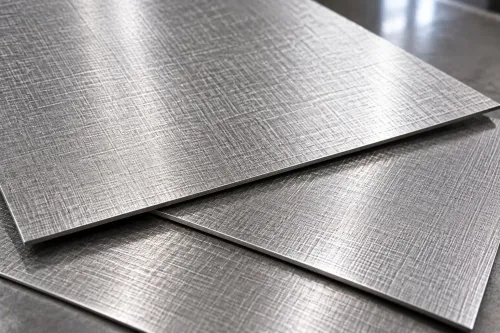
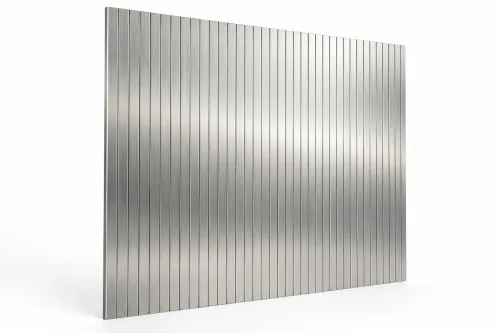
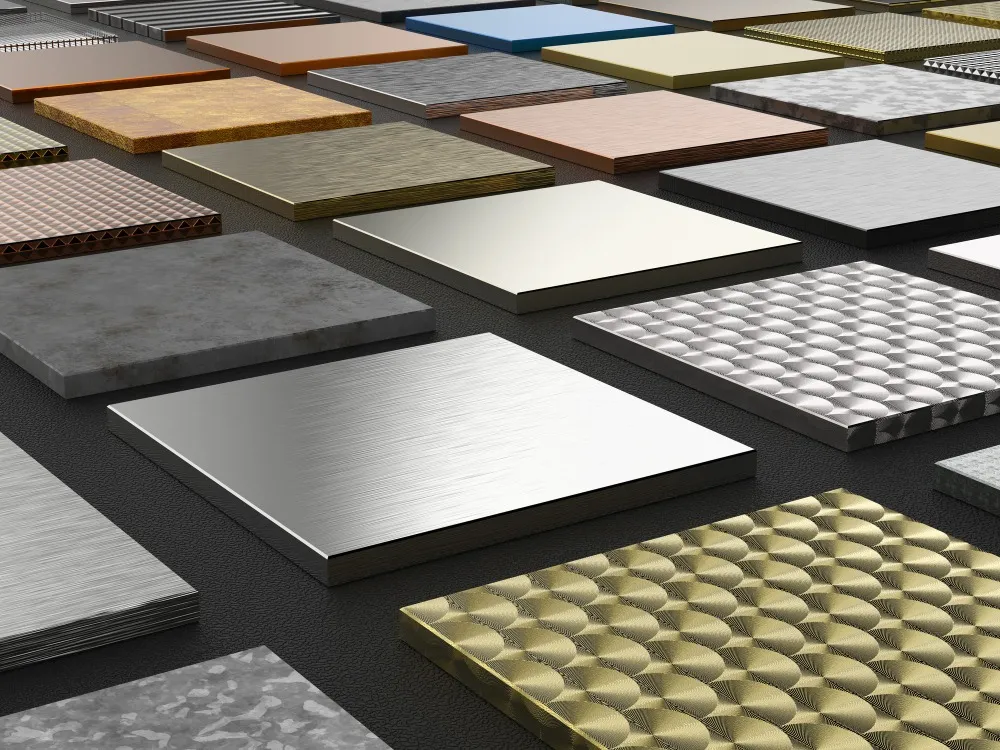
Brushed, hairline, satin, and mirror finishes can create very different visual effects without introducing colour.
For minimalist offices, commercial corridors, service areas, and some façade applications, this may be the most appropriate solution.
When PVD Adds Value
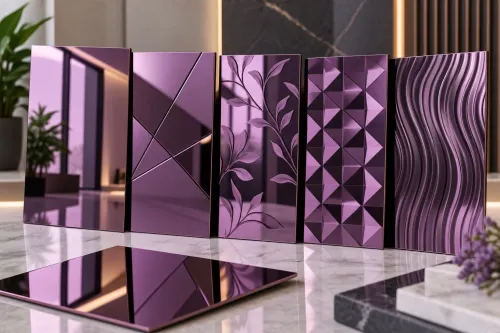
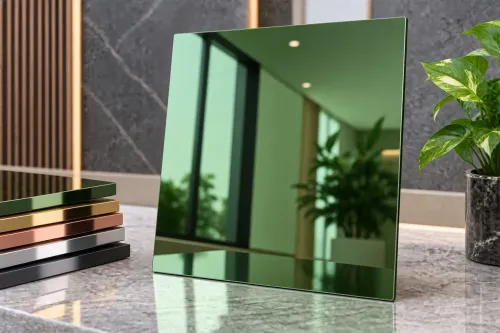
PVD becomes more relevant when the designer wants a coloured metallic appearance.
It can be considered for:
- Luxury hotel interiors
- Premium residential lobbies
- Retail feature walls
- Corporate reception areas
- Lift interiors
- Decorative columns
- Ceiling features
- Architectural entrance elements
The ability to combine colour with stainless steel's metallic character gives designers greater flexibility.
PVD and Material Coordination
One of the strongest reasons to use PVD is coordination.
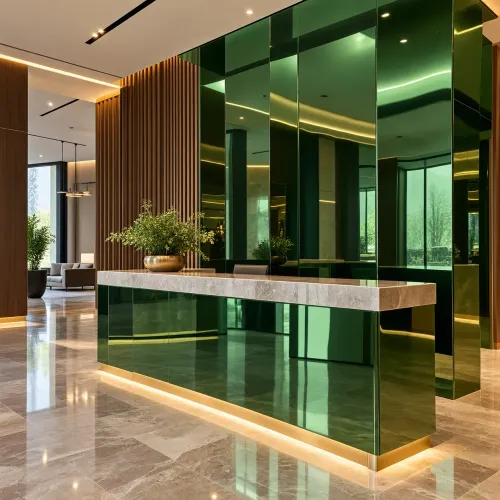
A project may already include warm stone, bronze lighting, timber, glass, or neutral finishes. A carefully selected PVD colour can connect these materials visually.
However, the colour should be reviewed as part of the complete palette.
Lighting also influences perception. Metallic finishes reflect their surroundings, so the apparent colour can change depending on the environment.
Think About Scale
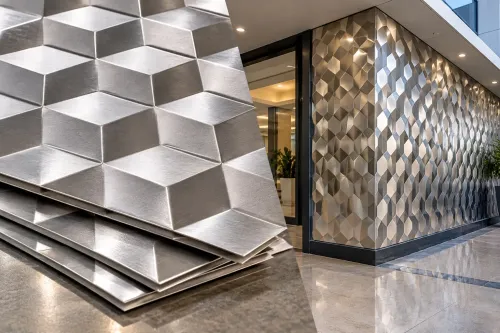
A finish that looks excellent on a small sample may feel very different across a 500-square-foot wall.
Large surfaces require consideration of:
- Panel size
- Joint locations
- Reflection
- Grain direction
- Lighting
- Colour consistency
For this reason, designers should review the sample in a setting that approximates the final application.
Exterior Architectural Applications
PVD-coated stainless steel can also be considered for selected exterior architectural features.
However, exterior use requires more careful assessment of environmental exposure, material grade, coating specification, fabrication, and maintenance.
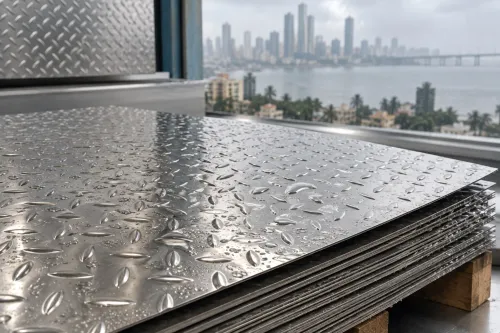
Mumbai projects may experience high humidity, rainfall, pollution, and coastal atmospheric conditions, depending on the site.
PVD Is a Design Decision and a Procurement Decision
The material should be selected early enough to coordinate with fabrication drawings and procurement schedules.
Late changes can affect panel dimensions, colour approvals, fabrication, and installation.
NIXON STEELIUM LLP provides stainless steel sheet and PVD coating solutions for architectural applications where decorative metallic surfaces need to be specified with greater precision.
A Useful Decision Test
Consider PVD when the answer to several of these questions is yes:
- Does the design require colour?
- Is a metallic appearance important?
- Is the surface a visible architectural feature?
- Does the colour need to coordinate with other materials?
- Is standard stainless steel too visually neutral?
- Can the project accommodate sample approval and fabrication planning?
If the answer is no, a conventional stainless steel finish may be sufficient.
The value of PVD lies in using it where its decorative flexibility contributes meaningfully to the architectural design. A well-specified PVD surface can become a defining element of an interior or façade rather than simply another material choice.
Keywords